Serbia turns to Russia to help fight wildfires

https://wtvbam.com/2026/08/20/serbia-turns-to-russia-to-help-fight-wildfires/ Serbia is facing one of the most severe wildfire seasons in recent history. The intense heat and dry conditions have led to widespread fires that threaten forests, homes, and lives. In response, Serbia has turned to Russia for assistance in fighting these destructive wildfires. This collaboration highlights the growing challenges countries face due to climate change and the importance of international cooperation in disaster management.
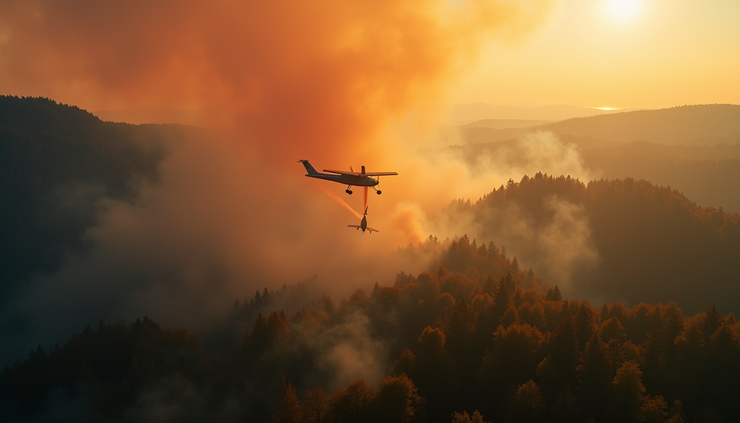
The Scale of the Wildfire Crisis in Serbia
This year, Serbia has experienced an unprecedented number of wildfires, fueled by prolonged drought and soaring temperatures. The fires have spread rapidly across several regions, including the southern and eastern parts of the country, destroying thousands of hectares of forest and agricultural land.
Affected areas: Southern Serbia, including the regions near Niš and Leskovac, have seen the most intense fires.
Environmental impact: Large swaths of forest have been lost, threatening biodiversity and increasing the risk of soil erosion.
Human impact: Several villages have been evacuated, and local communities face health risks from smoke and ash.
The Serbian government declared a state of emergency in the hardest-hit areas, mobilizing firefighters, military units, and volunteers to contain the blazes. Despite these efforts, the scale of the fires overwhelmed local resources.
Why Serbia Turned to Russia for Help
Serbia’s decision to seek assistance from Russia stems from the urgent need for additional firefighting capacity. Russia has extensive experience and resources for combating wildfires, including specialized aircraft and trained personnel.
Firefighting aircraft: Russia deployed several Beriev Be-200 amphibious aircraft capable of scooping water from lakes and rivers and dropping it over fires. These planes can carry up to 12 tons of water per flight, making them highly effective in controlling large fires.
Expert teams: Russian firefighting experts arrived to support Serbian crews with advanced techniques and coordination.
Equipment support: Along with aircraft, Russia provided ground firefighting equipment and vehicles to enhance Serbia’s response.
This international support has helped slow the spread of fires and protect critical infrastructure. The cooperation also reflects the strong political and historical ties between Serbia and Russia.
How Wildfires Are Fighting Back: Challenges on the Ground
Wildfires in Serbia are difficult to control due to several factors:
Terrain: Many fires occur in mountainous and forested areas that are hard to access.
Weather: High temperatures, low humidity, and strong winds create ideal conditions for fires to spread quickly.
Resource limits: Local firefighting forces are stretched thin, especially when multiple fires break out simultaneously.
The Russian firefighting aircraft have been particularly valuable in reaching remote areas where ground crews struggle to operate. Their ability to make repeated water drops has helped contain fires near populated zones.
The Role of Climate Change in Increasing Wildfire Risks
Experts agree that climate change is intensifying wildfire risks in Serbia and across the Balkans. Warmer temperatures and changing rainfall patterns lead to drier forests and longer fire seasons.
Longer dry spells: Reduced rainfall during summer months dries out vegetation, turning forests into tinderboxes.
Heatwaves: More frequent and intense heatwaves increase the likelihood of fire ignition.
Forest health: Climate stress weakens trees, making them more susceptible to pests and disease, which can fuel fires.
Addressing these risks requires not only emergency response but also long-term strategies for forest management and climate adaptation.
Serbia’s Wildfire Response Strategy
Serbia has taken several steps to improve its wildfire response capabilities:
Early warning systems: Investments in satellite monitoring and fire detection technology help identify outbreaks quickly.
Community involvement: Local residents receive training on fire prevention and evacuation procedures.
Cross-border cooperation: Serbia collaborates with neighboring countries to share resources and information during wildfire emergencies.
Forest management: Efforts to clear underbrush and create firebreaks reduce fuel for fires.
The partnership with Russia adds a critical layer of support, especially during peak wildfire periods.
Lessons from the Serbia-Russia Wildfire Cooperation
This joint effort offers valuable lessons for other countries facing similar wildfire threats:
International aid is vital: No country can always handle large-scale disasters alone. Sharing expertise and equipment saves lives and property.
Specialized aircraft make a difference: Amphibious firefighting planes can access difficult terrain and deliver rapid water drops.
Preparedness pays off: Early detection and community readiness reduce fire damage.
Climate action is urgent: Reducing greenhouse gas emissions and adapting forests to changing conditions will help limit future wildfire severity.
What Comes Next for Serbia?
As the wildfire season continues, Serbia must maintain vigilance and strengthen its firefighting capacity. The government plans to:
Expand training programs for firefighters and volunteers.
Invest in more firefighting aircraft and equipment.
Enhance regional cooperation with Russia and other neighbors.
Promote sustainable forest management to reduce fire risk.
Citizens are encouraged to stay informed about fire safety measures and support reforestation efforts after the fires are contained.
Serbia’s call for Russian assistance highlights the growing threat wildfires pose in a warming world. The collaboration has brought much-needed resources and expertise to battle the flames. Moving forward, Serbia’s experience underscores the importance of preparedness, international support, and climate resilience in protecting communities and natural landscapes from wildfire disasters.


Comments