Critical Need for Food and Livelihoods in Eastern DRC Amid Ebola Outbreak
- christoskyrou
- 6 days ago
- 3 min read
https://reliefweb.int/report/democratic-republic-congo/ebola-spreads-eastern-drc-wfp-warns-food-livelihoods-and-access-are-critical-containing-outbreak The recent spread of Ebola in Eastern Democratic Republic of Congo (DRC) has intensified an already dire humanitarian situation. As the outbreak grows, the World Food Programme (WFP) has issued urgent warnings about the critical role of food security, livelihoods, and access to affected communities in containing the disease. Without addressing these fundamental needs, efforts to control Ebola risk falling short. This post explores why food and livelihoods are central to the response, the challenges faced on the ground, and what actions can help protect vulnerable populations.
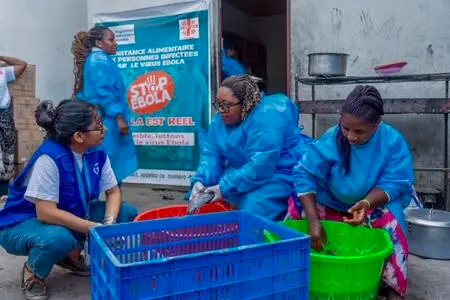
The Link Between Food Security and Disease Control
Ebola outbreaks demand swift medical intervention, but health measures alone cannot stop the virus. Food security and stable livelihoods are essential to support affected communities and encourage cooperation with health workers. When people face hunger or economic hardship, they may avoid treatment centers or hide sick relatives, fearing loss of income or social stigma.
In Eastern DRC, many families depend on subsistence farming and small-scale trade. The outbreak disrupts these activities by restricting movement, closing markets, and causing fear. This disruption leads to food shortages and loss of income, which in turn weakens community resilience and increases vulnerability to disease.
Challenges in Delivering Aid and Maintaining Access
Delivering food and livelihood support in Eastern DRC faces multiple obstacles:
Security risks: Armed groups operate in the region, creating dangerous conditions for aid workers and limiting access to some areas.
Poor infrastructure: Remote villages often lack roads or reliable transport, complicating delivery of supplies.
Community mistrust: Past experiences with conflict and misinformation about Ebola cause suspicion of outsiders, hindering aid efforts.
Movement restrictions: Quarantine zones and travel bans, while necessary for disease control, can isolate communities from markets and aid.
These factors combine to create a complex environment where humanitarian assistance must be carefully planned and adapted to local realities.
How Food Assistance Supports Ebola Response
Food aid plays several key roles in the Ebola response:
Encouraging cooperation: Providing food to quarantined families reduces the incentive to break isolation and spread the virus.
Supporting health workers: Ensuring frontline responders have adequate nutrition helps maintain their strength and effectiveness.
Reducing economic pressure: Food assistance frees up resources for families to seek medical care and follow prevention guidelines.
Stabilizing communities: Reliable food supplies help prevent social unrest and displacement, which can worsen the outbreak.
WFP and partners have been delivering food rations, cash transfers, and nutrition support to thousands of affected households. These efforts aim to reach the most vulnerable, including children, pregnant women, and the elderly.
Protecting Livelihoods to Build Long-Term Resilience
Beyond immediate food aid, protecting livelihoods is crucial for recovery and future outbreak prevention. This includes:
Supporting farmers: Providing seeds, tools, and training to restart agricultural activities once the outbreak is controlled.
Reopening markets: Facilitating safe trade and transport to restore income sources.
Promoting alternative income: Encouraging small businesses and community projects that can operate safely during health crises.
Strengthening social safety nets: Establishing programs that offer financial assistance during emergencies.
These measures help communities regain self-sufficiency and reduce the risk of future food insecurity linked to health emergencies.
Examples of Effective Interventions
Several initiatives in Eastern DRC illustrate how integrated food and health responses can work:
In North Kivu province, WFP partnered with local organizations to distribute food packages alongside Ebola awareness campaigns. This approach increased trust and compliance with health protocols.
Cash-based transfers allowed families to buy food locally, supporting markets and reducing logistical challenges.
Mobile teams provided nutrition screening and supplements to children in quarantine, preventing malnutrition during isolation.
These examples show that combining food security with health interventions improves outcomes for both disease control and community well-being.
What Needs to Happen Next
To contain Ebola and protect Eastern DRC’s population, coordinated action is essential:
Expand food and livelihood support: Scale up assistance to reach all affected areas, including hard-to-access communities.
Enhance security for aid workers: Collaborate with local authorities to ensure safe delivery of humanitarian aid.
Build community trust: Engage local leaders and use culturally sensitive communication to address fears and misinformation.
Integrate health and economic programs: Design responses that address both medical and socio-economic needs simultaneously.
Invest in infrastructure: Improve roads, storage facilities, and market access to strengthen resilience.
International donors, governments, and humanitarian agencies must prioritize these steps to prevent the outbreak from worsening and to support recovery.


Comments