Climate change images are getting scarier – could fear help drive action?
- Dr. Christos Kyrou

- 5 hours ago
- 1 min read
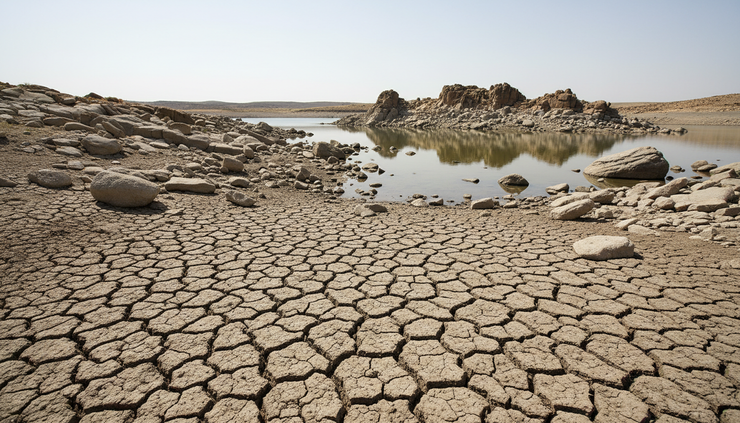
https://theconversation.com/climate-change-images-are-getting-scarier-could-fear-help-drive-action-290464 Climate images have grown darker for a reason. Burning forests, flooded streets, and cracked reservoirs can make climate change feel immediate instead of abstract.

Fear gets attention
Fear is powerful because it interrupts daily life. A shocking image can stop people from looking away. It can also make distant risks, like sea-level rise or extreme heat, feel personal.
Fear alone is not enough
The problem starts when images only show disaster. If people feel trapped, they may shut down, deny the threat, or scroll past. Fear works best when paired with clear choices.
That means climate visuals should show both danger and response:
homes raised above flood levels
shaded streets during heat waves
restored wetlands
people repairing, planting, and preparing

Better images show agency
The strongest climate communication does not soften reality. It gives people a way to act after they feel concern. A frightening photo can open the door, but hope and usefulness keep it open.

Fearful climate images can drive real action, but only when they point beyond panic toward practical change.


Comments