120 dead in latest cholera outbreak in Sudan: WHO
- christoskyrou
- 1 day ago
- 4 min read
The recent cholera outbreak in Sudan has claimed the lives of at least 120 people, according to the World Health Organization (WHO). This alarming situation highlights the urgent need to understand the causes, effects, and responses to this deadly disease. Cholera, a waterborne illness, spreads rapidly in conditions where access to clean water and sanitation is limited. Sudan’s ongoing political instability, economic challenges, and environmental factors have created a perfect storm for this outbreak to escalate.
This article explores the current cholera crisis in Sudan, its impact on communities, the challenges faced by health authorities, and the measures needed to control and prevent further spread. Understanding this outbreak is crucial for supporting effective interventions and raising awareness about the importance of water safety and public health infrastructure.
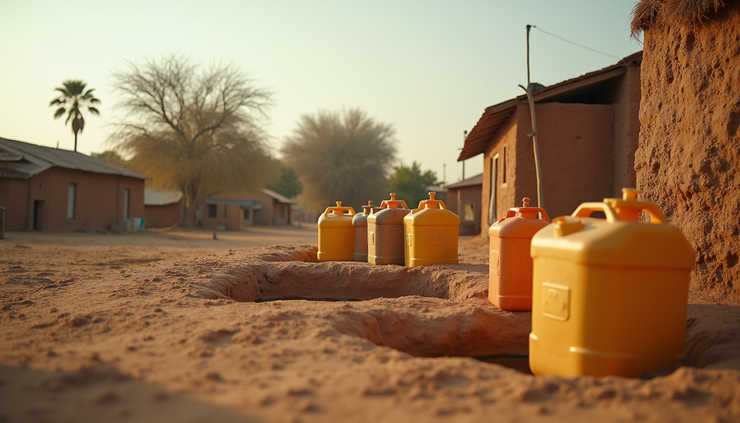
What Is Cholera and How Does It Spread?
Cholera is an acute diarrheal disease caused by the bacterium Vibrio cholerae. It spreads primarily through contaminated water or food. When people consume water or food polluted with fecal matter containing the bacteria, they can develop severe diarrhea and dehydration. Without prompt treatment, cholera can lead to death within hours.
Key factors that contribute to cholera outbreaks include:
Lack of access to clean drinking water
Poor sanitation and hygiene practices
Overcrowded living conditions
Displacement due to conflict or natural disasters
In Sudan, many of these conditions exist due to ongoing conflicts, displacement of populations, and limited infrastructure, making the country vulnerable to cholera outbreaks.
The Current Situation in Sudan
The WHO reported that the latest cholera outbreak in Sudan has resulted in over 120 deaths, with hundreds more infected. The outbreak has primarily affected regions with limited healthcare access and poor water sanitation systems. The rainy season has worsened the situation by contaminating water sources and increasing the spread of the bacteria.
Sudan’s healthcare system is struggling to cope with the surge in cholera cases. Hospitals and clinics face shortages of essential supplies such as oral rehydration salts, intravenous fluids, and antibiotics. Many affected individuals live in remote areas where reaching medical care is difficult.
Impact on Communities and Public Health
The cholera outbreak has devastating effects on Sudanese communities:
Health Impact: Rapid dehydration from cholera can kill within hours if untreated. Children and the elderly are especially vulnerable. Many families face the loss of loved ones and long-term health complications for survivors.
Economic Impact: Illness reduces productivity and income for affected families. Healthcare costs rise, and resources are diverted from other essential services.
Social Impact: Fear and stigma around cholera can isolate patients and delay treatment. Displacement and overcrowding in camps increase transmission risks.
The outbreak also strains the already fragile healthcare infrastructure, reducing the capacity to address other health needs.
Challenges in Controlling the Outbreak
Several challenges hinder effective control of cholera in Sudan:
Limited Access to Clean Water: Many communities rely on unsafe water sources contaminated by sewage or floodwaters.
Poor Sanitation Facilities: Lack of toilets and waste disposal systems leads to environmental contamination.
Inadequate Healthcare Resources: Shortages of medical supplies and trained personnel limit treatment capacity.
Population Displacement: Conflict and flooding have forced many people into crowded camps with poor hygiene conditions.
Public Awareness: Limited knowledge about cholera transmission and prevention reduces community engagement in control measures.
Addressing these challenges requires coordinated efforts from government agencies, international organizations, and local communities.
Measures to Control and Prevent Cholera
Effective cholera control depends on a combination of immediate response and long-term prevention strategies:
Immediate Response
Rapid Case Detection and Treatment: Early identification and treatment of cholera cases with oral rehydration therapy and antibiotics save lives.
Emergency Water and Sanitation Services: Providing safe drinking water through chlorination and distributing hygiene kits help reduce transmission.
Health Education Campaigns: Informing communities about handwashing, safe food preparation, and recognizing symptoms encourages preventive behaviors.
Long-Term Prevention
Improving Water Infrastructure: Building and maintaining clean water supply systems reduce reliance on contaminated sources.
Enhancing Sanitation Facilities: Constructing latrines and waste management systems prevent environmental contamination.
Strengthening Healthcare Systems: Training healthcare workers and ensuring supply chains for essential medicines improve outbreak response.
Vaccination Campaigns: Oral cholera vaccines can provide temporary protection in high-risk areas during outbreaks.
International partners like WHO and UNICEF are supporting Sudan with technical assistance, supplies, and funding to implement these measures.
Lessons from Past Cholera Outbreaks
Sudan has faced cholera outbreaks before, and lessons from previous responses can guide current efforts:
Community Engagement Is Crucial: Involving local leaders and volunteers helps spread accurate information and encourages cooperation.
Data Collection Improves Targeting: Monitoring cases and mapping hotspots allow for focused interventions.
Multi-sector Collaboration Works Best: Combining health, water, sanitation, and education sectors creates a comprehensive response.
Countries like Yemen and Haiti have also experienced severe cholera outbreaks, showing that timely action and investment in water and sanitation infrastructure are key to preventing future crises.
How the International Community Can Help
The cholera outbreak in Sudan requires global attention and support. Ways the international community can assist include:
Providing emergency funding for medical supplies and water sanitation projects
Deploying expert teams to support local health workers
Supporting vaccination campaigns in high-risk areas
Advocating for peace and stability to reduce displacement and improve living conditions
Donors, NGOs, and governments must work together to ensure resources reach the most vulnerable populations quickly.


Comments